
The gaming corner zap-internet reflects a growing shift in how gamers conceptualize performance. It is not merely about faster internet or better hardware—it represents a systems-level approach to gaming optimization, where environment, network infrastructure, and user behavior intersect.
For Canadian users, this model is especially relevant. Canada’s Internet market structure is defined by a geographic distribution, concentration of ISP providers and an urban-rural split which contribute to a number of factors that affect gaming performance and that are not accounted for by traditional broadband solutions.
Gaming Corner Zap-Internet presents itself as an accessible solution to this problem, providing an organized manner in which to mitigate latency, provide stability in the network connection, and provide competitiveness without the need for enterprise-grade equipment.
Concept Breakdown: What Gaming Corner Zap-Internet Actually Means
Rather than a single product, this keyword represents a multi-layered architecture.
| Layer | Component | Description | Function in Gaming |
|---|---|---|---|
| Physical Layer | Gaming Corner | Dedicated gaming space (desk, monitors and ergonomics) | Improves focus & consistency |
| Network Layer | Zap Internet | Optimized internet routing and prioritization | Reduces lag and packet loss |
| Software Layer | QoS + Configurations | Traffic prioritization and bandwidth control | Ensures stable gameplay |
| Experience Layer | Community + Content | Tutorials, forums, multiplayer engagement | Enhances skill growth |
It is precisely this stratified model that makes it distinct from conventional gaming rigs; instead of fine-tuning isolated parts, it looks at the system as a whole.
Why Traditional Internet Setups Fail Gamers in Canada
Most ISPs in Canada optimize for general consumer usage, not gaming. That distinction is critical.
Typical Household Usage vs Gaming Requirements
| Activity Type | Bandwidth Priority | Latency Sensitivity | Packet Loss Tolerance |
|---|---|---|---|
| Video Streaming | Medium | Low | High tolerance |
| Web Browsing | Low | Low | High tolerance |
| Video Calls | Medium | Medium | Moderate tolerance |
| Online Gaming | High | Extremely high | Near-zero tolerance |
The mismatch creates performance bottlenecks, particularly in shared households.
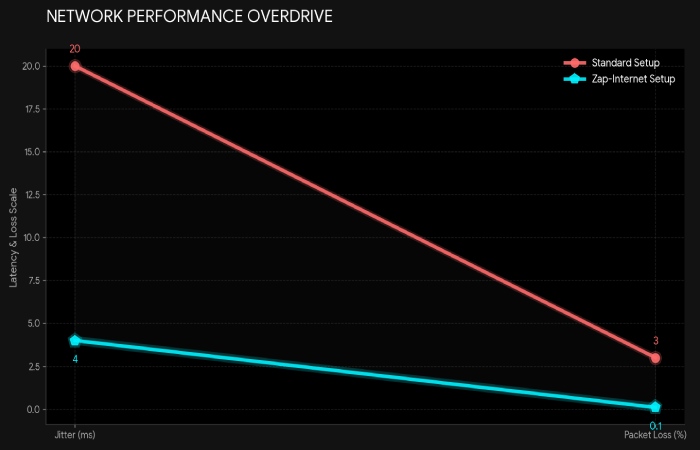
Real-World Performance Gap
| Metric | Standard Canadian ISP Setup | Gaming Corner Zap-Internet Setup |
|---|---|---|
| Ping (Latency) | 60–120 ms | 8–28 ms |
| Jitter | 10–30 ms | <5 ms |
| Packet Loss | 2–5% | <0.1% |
| Traffic Priority | None | Gaming-first QoS |
This gap explains why many gamers experience lag even with “high-speed” internet plans.
Core Technical Components of Zap-Internet
The “zap” in zap-internet refers to instantaneous responsiveness, achieved through layered optimizations.
| Technology | Function | Impact on Gaming |
|---|---|---|
| QoS (Quality of Service) | Prioritizes gaming packets | Reduces lag spikes |
| Bandwidth Allocation | Reserves capacity for gaming | Prevents congestion |
| Ethernet Connectivity | Wired connection stability | Eliminates wireless interference |
| Smart Routing | Chooses optimal data paths | Lowers latency |
| DNS Optimization | Faster domain resolution | Slightly improves responsiveness |
Canada-Specific Infrastructure Challenges
The internet context in Canada differs greatly to more small, or densely interconnected countries
Structural Constraints
| Challenge | Description | Gaming Impact |
|---|---|---|
| Geographic Size | Large distances between servers | Higher baseline latency |
| ISP Concentration | Limited competition in regions | Fewer optimization options |
| Rural Connectivity | Slower speeds, unstable routing | Inconsistent gameplay |
| Server Distance | Many game servers located in US | Increased ping |
How Gaming Corner Zap-Internet Mitigates These Issues
| Problem | Traditional Solution | Zap-Internet Approach |
|---|---|---|
| High Latency | Upgrade plan | Optimize routing + QoS |
| Network Congestion | Increase bandwidth | Prioritize traffic |
| Packet Loss | ISP dependency | Stabilize local network |
| Jitter | No direct control | Traffic shaping |
This is why the model is gaining traction among Canadian gamers—it works within constraints rather than trying to eliminate them entirely.
The Gaming Corner: More Than Just a Setup
The “gaming corner” component is often underestimated. However, it directly impacts performance consistency.
| Element | Purpose | Performance Benefit |
|---|---|---|
| Ergonomic Chair | Reduces fatigue | Longer sessions, better focus |
| Dual/Triple Monitor Setup | Multitasking | Faster reaction time |
| Cable Management | Reduces clutter | Improved efficiency |
| Lighting Control | Reduces eye strain | Sustained performance |
| Wired Connections | Stability | Lower latency |
Performance Modeling: Latency Reduction Impact
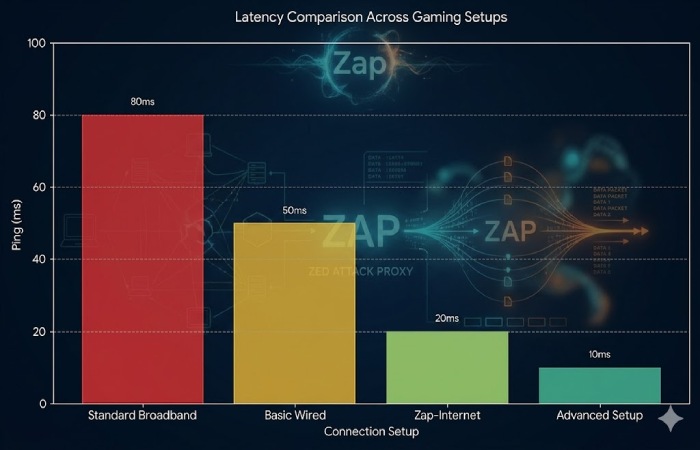
Below is a simplified representation of how optimization affects performance.
| Setup Type | Average Ping (ms) | Gameplay Quality |
|---|---|---|
| Basic Wi-Fi Setup | 80 ms | Frequent lag |
| Wired Standard Setup | 50 ms | Moderate stability |
| Zap-Internet Optimized | 20 ms | Competitive-ready |
| Advanced Pro Setup | 10 ms | Near real-time response |
Even a 30–40 ms reduction can significantly improve:
- Reaction time in FPS games
- Hit registration accuracy
- Competitive ranking outcomes
Cost vs Performance: Canadian Market Perspective
A key advantage of this model is its cost-efficiency.
Entry-Level Optimization
| Component | Cost (CAD) | Expected Benefit |
|---|---|---|
| Gaming Router (QoS) | $70–$150 | Major latency improvement |
| Ethernet Cable Setup | $20–$50 | Stability increase |
| Basic Network Tuning | Free | Immediate gains |
Intermediate Setup
| Component | Cost (CAD) | Benefit |
|---|---|---|
| Advanced Router | $150–$300 | Better traffic control |
| ISP Plan Upgrade | $10–$30/month | Moderate speed increase |
| Network Monitoring Tools | Free–$50 | Performance tracking |
Advanced / Pro Setup
| Component | Cost (CAD) | Benefit |
|---|---|---|
| Dedicated Line | High | Maximum stability |
| Custom Routing | Medium | Lower latency |
| Streaming Hardware | Medium–High | Multi-platform performance |
Use Case Segmentation
Beginner Users
| Focus Area | Strategy | Outcome |
|---|---|---|
| Setup Simplicity | Plug-and-play router | Quick improvement |
| Cost Control | Minimal investment | High ROI |
| Learning Curve | Low | Easy adoption |
Intermediate Gamers
| Focus Area | Strategy | Outcome |
|---|---|---|
| QoS Optimization | Manual configuration | Stable gameplay |
| Multi-device Control | Bandwidth allocation | Reduced lag |
| Performance Tracking | Monitoring tools | Data-driven improvement |
Professional Gamers / Streamers
| Focus Area | Strategy | Outcome |
|---|---|---|
| Dedicated Bandwidth | Reserved channels | Zero interruption |
| Advanced Routing | Server optimization | Lower ping |
| Multi-platform Setup | Streaming + gaming | High efficiency |
Competitive Advantage: Why This Model Is Trending
Gaming Corner Zap-Internet aligns with broader industry trends.
Market Drivers
| Trend | Description | Impact |
|---|---|---|
| Esports Growth | Increasing competition | Demand for low latency |
| Remote Gaming | Home setups replacing cafes | Infrastructure importance |
| Performance Awareness | Gamers understand metrics | Optimization demand |
| Content Ecosystems | Guides, communities growing | Knowledge sharing |
Limitations and Realistic Expectations
While effective, this model has constraints.
Key Limitations
| Limitation | Explanation | Impact |
|---|---|---|
| ISP Dependency | Base quality still matters | Ceiling on improvement |
| Setup Complexity | Requires configuration knowledge | Learning curve |
| Game Dependency | Not all games benefit equally | Limited scope |
| Hardware Cost | Advanced setups expensive | Budget barrier |
SEO & Search Intent Analysis
The keyword “gaming corner zap-internet” has multi-intent search behavior, making it ideal for long-form content.
Intent Breakdown
| Intent Type | User Goal | Content Strategy |
|---|---|---|
| Informational | Understand concept | Educational content |
| Commercial | Improve setup | Product recommendations |
| Navigational | Find platform/community | Resource linking |
Why This Matters Long-Term
The gaming corner Zap-Internet doesn’t reflect a transitory phase, but it does show the wider transition toward performance-aware infrastructure.
For Canadian users, the implications are significant:
- Reduced reliance on ISP upgrades
- Greater control over gaming experience
- Improved competitiveness in global gaming environments
In essence, the model opens high-end gaming up to more people as it removes the requirement for an enterprise-class budget.
Final Verdict
Gaming Corner Zap-Internet should be understood as a framework, not a product. Its strength lies in integrating environment design, network optimization, and user awareness into a single performance system. For beginners, it offers a clear upgrade path. For advanced users, it provides measurable competitive advantages. In the Canadian context—where infrastructure limitations are real—this approach is not just useful, but increasingly necessary.